How Much Protein Per Day for Weight Loss After 40
 Nahid Reza
· November 17, 2026
Protein intake weight loss advice is everywhere, but the numbers people quote are often far from what trials actually tested. If you are over 40 the question matters more, because muscle slowly declines with age and dieting can speed that up. This guide explains how much protein the research supports, what it can and cannot do, and who should check with a doctor first.
Nothing here is a miracle claim. Protein is food, not a fat-melting trick, and this page contains no affiliate links. The goal is to help you read the evidence and plan your meals sensibly.
What the Research Says About Protein Intake Weight Loss
A 2016 systematic review and meta-analysis pooled 20 randomized trials in older adults who were deliberately losing weight. People eating higher-protein diets kept more lean mass and lost more fat mass than people eating less protein (PubMed). That is a body-composition benefit, not a promise of a bigger drop on the scale.
A second meta-analysis, published in the British Journal of Sports Medicine in 2018, looked at protein supplements combined with resistance training in healthy adults. Supplements improved muscle size and strength, and extra benefit levelled off above roughly 1.6 grams per kilogram of body weight per day. The authors also reported that the benefit shrank with age and grew with training experience (PubMed).
Put simply, protein helps protect muscle while you eat fewer calories, especially when you also lift weights. The evidence is strongest for keeping muscle and weaker for any extra fat loss beyond what a calorie deficit already gives you.
How Much Protein Per Day Is Reasonable?
The US recommended daily allowance is 0.8 grams per kilogram of body weight. That level is designed to prevent deficiency, not to optimize a diet. The studies above point to benefits somewhere between that minimum and about 1.6 grams per kilogram, with little extra gain beyond it.
For a 75 kg (165 lb) adult, 0.8 g/kg is 60 grams a day and 1.6 g/kg is 120 grams. Most people do not need the top of that range. Moving from the minimum toward the middle, and spreading protein across meals, is a sensible starting point to discuss with your doctor or a registered dietitian.
Simple Ways to Raise Your Protein
You do not need powders to improve protein intake weight loss results at home. Whole foods work and keep meals interesting. A few easy swaps:
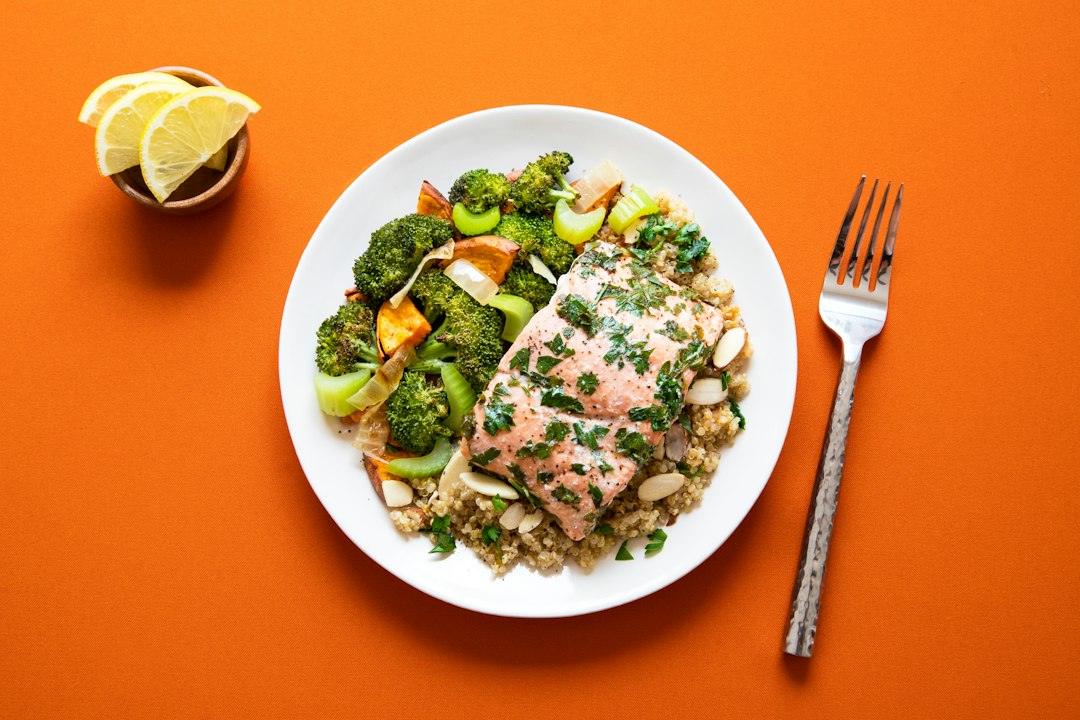
- Breakfast: eggs (about 6 grams each) or plain Greek yoghurt (roughly 15 to 20 grams per serving) instead of cereal alone.
- Lunch and dinner: a palm-sized portion of fish, chicken, tofu, or lentils on every plate.
- Snacks: cottage cheese, a handful of nuts, or edamame instead of biscuits.
- Training: two short strength sessions a week, because protein works best when muscles have a reason to keep growing.
Check labels, as products differ, and track a normal week before changing anything big. If you want a broader plan, our weight loss tips guide and natural protein for weight loss article cover meal ideas.
What a Sample Day Could Look Like
Here is an illustration, not a prescription. Breakfast could be two eggs with plain yoghurt and fruit. Lunch might be lentil soup with a piece of grilled fish. Dinner could be chicken or tofu with vegetables and rice, with cottage cheese or edamame as a snack. Together that usually lands near the middle of the range, which is where most protein intake weight loss plans start.
Adjust portions to your appetite and your clinician’s advice, and notice how you feel over several weeks rather than judging a single day.
Is a High-Protein Diet Safe for Your Kidneys?
A 2018 systematic review in Advances in Nutrition examined healthy adults eating more than the recommended allowance. Among 13 randomized trials that measured glomerular filtration rate, eight reported higher values on more protein and five did not, and all values were consistent with normal kidney function (PubMed).
Free download
Get the free 7-Day Reset
Five small daily habits, one printable checklist. No spam, unsubscribe any time.
The same review called the evidence on kidney stones limited and inconsistent, and most trials lasted under six months. So long-term safety is not fully settled. People with kidney disease were excluded, which means these findings do not apply to them.
Who Should Be Careful
Talk to a doctor or registered dietitian before raising protein if any of these apply to you:
- Chronic kidney disease or reduced kidney function.
- A history of kidney stones.
- Pregnancy or breastfeeding.
- Diabetes treated with insulin or other glucose-lowering medicine, since diet changes can alter doses.
- A history of disordered eating.
- Poor appetite or unplanned weight loss, especially in older adults.
Common Mistakes
The biggest mistake is treating protein as a license to ignore calories. Eating more protein on top of your usual diet can add calories and slow progress. Another is relying on shakes while skipping vegetables, fibre, and strength training.
Also be wary of products promising guaranteed fat burning. No food or supplement does that. Smart protein intake weight loss plans are boring on purpose: enough protein, a modest calorie deficit, resistance exercise, sleep, and patience.
Frequently Asked Questions
Does eating more protein make you lose weight?
Not by itself. Trials show that higher protein helps people keep muscle and lose more fat while dieting, but you still need a calorie deficit to lose weight.
How much protein should a woman over 40 eat?
The official minimum is 0.8 g/kg per day. Research on dieting and training suggests benefits up to about 1.6 g/kg. Ask your clinician where within that range you should aim.
Is protein intake weight loss advice the same for everyone?
No. Age, kidney health, medications, and training level all change what is appropriate, so personal medical advice matters.
The Bottom Line
Higher protein helps protect muscle during weight loss, and the strongest evidence comes from older adults who also train. It is not magic, and some people need medical guidance first. Use the numbers on protein intake weight loss as a starting point, not a rule.
Medical disclaimer: this article is for education only and is not medical advice. Speak to a qualified healthcare professional before changing your diet, especially if you have a medical condition or take medication.
Sources
- Effects of dietary protein intake on body composition changes after weight loss in older adults: a systematic review and meta-analysis (2016)
- Protein supplementation and resistance training-induced gains in muscle mass and strength: systematic review, meta-analysis and meta-regression, British Journal of Sports Medicine (2018)
- Renal health in healthy individuals with protein intake above the US RDA: systematic review, Advances in Nutrition (2018)

Free download
Get the free 7-Day Reset
Five small daily habits, one printable checklist. No spam, unsubscribe any time.