Natural Protein for Weight Loss – What Really Works
 Nahid Reza
· July 5, 2026
Nahid Reza
· July 5, 2026If you’re searching for natural protein for weight loss tips grounded in real science rather than social media hype, you’re in the right place. Protein is arguably the most powerful macronutrient for managing appetite, preserving muscle, and supporting a healthy metabolism — yet most people either eat too little of it or lean on the wrong sources. This guide covers what actually works, why it works, and how to put it into practice starting today.
What Is Natural Protein for Weight Loss?

When we talk about natural protein for weight loss, we mean dietary protein sourced from minimally processed whole foods — think eggs, Greek yogurt, legumes, lean meats, fish, and plant-based options like tempeh and edamame — rather than ultra-processed protein bars packed with artificial sweeteners and fillers. That distinction matters more than most people realize. Whole food protein sources come bundled with micronutrients, fiber, and water that collectively slow digestion and keep hunger in check far more effectively than an isolated shake on its own.
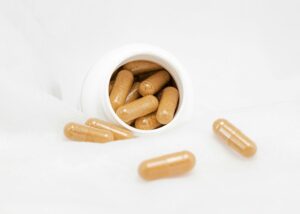
⭐ #1 Recommended natural protein for weight loss tips Supplement
Affiliate link — we may earn a commission at no extra cost to you
Protein is made up of amino acids that your body uses for everything from rebuilding muscle tissue to synthesizing hormones and neurotransmitters. During a calorie deficit — the prerequisite for fat loss — adequate protein intake preserves lean muscle mass, which directly protects your resting metabolic rate. Lose muscle alongside fat and your metabolism slows; maintain muscle and the weight you shed comes predominantly from fat stores. That’s the core logic behind every credible protein-for-weight-loss approach you’ll find in peer-reviewed literature.
According to the NIH Office of Dietary Supplements, higher-protein diets are consistently associated with greater satiety and modest improvements in body composition compared with standard-protein diets, though individual responses vary considerably.
Why Protein Supports Fat Loss — The Science
Three well-documented mechanisms explain why protein outperforms carbohydrates and fats for body-weight management.
- Thermic Effect of Food (TEF): Protein carries a TEF of roughly 20–30%, meaning your body burns 20–30 calories digesting every 100 calories of protein you consume. Carbohydrates sit at 5–10% and dietary fat at just 0–3%. Over a full day, that difference adds up meaningfully.
- Appetite Suppression: Protein stimulates the release of satiety hormones — particularly GLP-1 and PYY — while suppressing ghrelin, the primary hunger hormone. A 2005 study published in The American Journal of Clinical Nutrition (Weigle et al., n=19) found that increasing protein to 30% of total calories spontaneously reduced daily calorie intake by around 441 kcal without deliberate restriction.
- Muscle Preservation During a Deficit: A 2013 meta-analysis in the Journal of the Academy of Nutrition and Dietetics (Helms et al.) confirmed that higher protein intakes (≥1.05 g/lb of body weight) significantly attenuated lean mass loss in resistance-trained individuals eating in a calorie deficit.
If you’re also curious how your metabolic rate shifts with age — and why that makes protein even more critical after 40 — our breakdown of the science behind metabolism after 40 is worth a read.
The Best Whole Food Protein Sources

Before reaching for a tub of powder, it’s worth knowing which whole foods deliver the most usable protein per calorie. Here’s a practical breakdown.
- Eggs: One large egg provides about 6 g of complete protein with a Biological Value (BV) score of 100 — the gold standard. The yolk also supplies choline, which supports fat metabolism.
- Greek Yogurt (plain, full-fat): A 7 oz serving delivers 17–20 g of protein along with probiotics that support gut health. (Speaking of gut health, gut health supplements and weight loss share a surprisingly close relationship.)
- Chicken Breast: 3.5 oz cooked provides roughly 31 g of protein at under 165 calories — hard to beat for pure protein density.
- Canned Salmon or Sardines: 3 oz of canned salmon offers about 22 g of protein plus omega-3 fatty acids, which carry independent anti-inflammatory benefits.
- Lentils: One cooked cup delivers 18 g of protein combined with 15 g of dietary fiber — a powerful pairing for satiety on plant-based diets.
- Edamame: A complete plant protein at roughly 17 g per cup, also rich in iron and magnesium.
- Cottage Cheese: Half a cup provides 14 g of slow-digesting casein protein, making it particularly useful as a late-evening snack to support overnight muscle repair.
Practical Strategies That Actually Move the Needle
Knowing which foods to eat is only half the picture. Timing, distribution, and pairing matter just as much. Here’s how to put the key principles into action without overhauling your entire routine at once.
Distribute Protein Across Every Meal
Research from the University of Texas (2014, Mamerow et al., n=8) showed that spreading 90 g of daily protein evenly across three meals stimulated 25% more muscle protein synthesis than skewing the same total heavily toward dinner. Most people eat the bulk of their protein at dinner — shifting toward a more even 30-30-30 g split across breakfast, lunch, and dinner produces measurable results.
Front-Load Breakfast
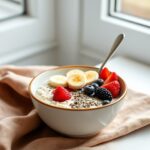
A high-protein breakfast — 25 to 35 g — has consistently outperformed low-protein breakfasts in reducing afternoon and evening hunger. Practical options include three scrambled eggs with a side of Greek yogurt, or a cottage cheese bowl with berries and a tablespoon of chia seeds. Neither takes more than five minutes to prepare.
Use Protein to Anchor Every Snack
One of the most common missteps is snacking on carbohydrate-only foods — crackers, fruit, granola bars — without a protein component. Pairing any snack with at least 8–10 g of protein — a hard-boiled egg, a small portion of cheese, or a handful of roasted edamame — helps stabilize blood sugar, sustains energy, and makes it far less likely you’ll arrive at dinner ravenous.
Consider Supplementing Strategically
Whole foods come first, but there are circumstances — busy mornings, post-workout recovery, travel — where a high-quality protein supplement fills a genuine gap. Look for products with a short ingredient list, third-party testing (NSF Certified for Sport or Informed Sport), and at least 20 g of protein per serving with under 5 g of added sugar. Whey isolate, pea protein, and brown rice/pea blends are the most studied options.
It’s also worth pairing your protein strategy with other evidence-backed tools. Green tea’s fat-burning compounds, for example, have modest but real supporting data when combined with adequate protein intake and a consistent calorie deficit.
Free download
Get the free 7-Day Reset
Five small daily habits, one printable checklist. No spam, unsubscribe any time.
Don’t Neglect Sleep
This one surprises people, but sleep deprivation directly undermines protein’s weight-loss benefits. Poor sleep elevates cortisol, which accelerates muscle protein breakdown, and disrupts the hunger hormones that protein normally helps regulate. If your sleep is fragmented, even an otherwise solid nutritional strategy will work at a significant disadvantage.
Natural Protein for Weight Loss — Pros and Cons

| Pros | Cons |
|---|---|
| ✅ Strong evidence for appetite reduction across multiple study designs | ❌ High animal protein intake can be expensive, especially quality fish and grass-fed meat |
| ✅ Preserves muscle during calorie deficits, protecting metabolic rate | ❌ Excessive protein (well above 1.6 g/kg) provides diminishing returns and may stress kidneys in people with pre-existing renal issues |
| ✅ Higher thermic effect means you burn more calories simply digesting it | ❌ Rapid increases in fiber-rich plant proteins can cause temporary bloating and digestive discomfort |
| ✅ Widely available from both animal and plant sources | ❌ Meal prepping high-protein foods requires time and planning that some people find difficult to sustain |
| ✅ Compatible with most dietary patterns (omnivore, vegetarian, pescatarian) | ❌ Protein supplements vary widely in quality; some contain heavy metals or undisclosed ingredients |
How to Choose the Right Protein Supplement
The supplement aisle can feel overwhelming. Here’s a straightforward checklist to cut through the noise:
- Third-party testing: Only buy products with NSF Certified for Sport, Informed Sport, or USP verification. These certifications confirm that an independent lab has verified what’s listed on the label is actually in the product.
- Protein per calorie ratio: Aim for at least 75–80% of calories coming from protein in each serving. If a 150-calorie serving provides only 15 g of protein, the rest is filler.
- Ingredient transparency: Avoid proprietary blends that don’t disclose individual ingredient amounts. Shorter, cleaner ingredient lists are generally a better sign.
- Amino acid profile: For muscle preservation, leucine content matters most. Look for at least 2–3 g of leucine per serving, which triggers the mTOR pathway responsible for muscle protein synthesis.
- Sweetener preference: Stevia and monk fruit are well-tolerated by most people; sucralose and acesulfame-K cause GI issues in some individuals. Know your tolerance before committing to a large container.
For reference, Healthline’s registered dietitian-reviewed guide on daily protein needs offers a solid grounding in how to set personal targets based on body weight and activity level.
For a deeper dive into the research, a 2015 meta-analysis on PubMed (Leidy et al.) examining protein’s role in appetite regulation and body weight management is one of the most comprehensive reviews available — spanning 49 studies and well worth reading for the evidence-minded.
Common Mistakes That Undercut Your Results

Even with the best intentions, a few recurring patterns derail people who are otherwise doing everything right.
- Counting grams without checking quality: Twenty grams of protein from a heavily processed deli meat isn’t equivalent to 20 g from wild-caught salmon. Bioavailability, co-nutrients, and sodium content all differ significantly.
- Ignoring total calorie context: Protein supports fat loss within a calorie deficit. Adding an extra 400 calories of chicken breast on top of your maintenance intake won’t produce weight loss — overall energy balance still matters.
- Relying entirely on shakes: Liquid protein empties from the stomach faster than solid food, providing less lasting satiety. Use shakes to supplement whole food meals, not replace them.
- Skipping resistance training: Protein and resistance training work synergistically. Without the muscle-building stimulus, much of the protein you consume beyond basic needs gets oxidized for energy rather than used to build or preserve lean tissue.
Our Final Take
Pulling everything together: the most effective approach to using natural protein for weight loss isn’t complicated or expensive. Eat 25–35 g of protein at breakfast, distribute your intake relatively evenly throughout the day, prioritize minimally processed whole food sources, and use a rigorously tested supplement only where genuine gaps exist. Pair that foundation with consistent resistance training and quality sleep, and you’re working with one of the most evidence-backed fat-loss frameworks available — no gimmicks required.
The research is genuinely encouraging. Higher-protein diets produce real, measurable differences in appetite, body composition, and metabolic rate. But they work best as part of a coherent overall strategy, not as a single magic fix. Start with one change — a higher-protein breakfast — and build from there. That’s how lasting habits form.
Frequently Asked Questions
How much protein do I actually need each day to support fat loss?
Most research points to 1.2–1.6 g of protein per kilogram of body weight per day as the effective range for preserving muscle during a calorie deficit. Active individuals or those doing regular resistance training often benefit from the higher end of that range. A 150 lb (68 kg) person, for example, would aim for roughly 82–109 g daily. Spreading that across three meals is more effective than consuming it all at once.
Can plant-based protein sources work as well as animal protein for weight loss?
Yes, with some planning. Plant proteins tend to be lower in leucine and less bioavailable individually, but combining complementary sources — rice with lentils, or tofu with edamame — fills those gaps effectively. A 2021 review in Nutrients found no statistically significant difference in body composition outcomes between plant and animal protein diets when total protein intake was matched.
Is it possible to eat too much protein?
For healthy adults with normal kidney function, intakes up to 2.2 g/kg of body weight are generally considered safe based on current evidence. However, people with existing kidney disease or impaired renal function should work with a doctor to establish appropriate limits, as high protein intake does increase the kidneys’ filtration workload over time. Beyond safety, very high intakes also produce diminishing returns for body composition past a certain threshold.
Does the timing of protein intake around workouts matter?
It matters, but less than total daily intake. The so-called “anabolic window” is wider than once believed — roughly 3–5 hours on either side of training. Eating a protein-rich meal 1–2 hours before or within 2 hours after exercise is both practical and effective. What matters most is hitting your daily protein target consistently rather than obsessing over exact post-workout timing.
Individual results from any dietary strategy — including increased protein intake — vary based on genetics, activity level, overall diet quality, health status, and numerous other factors. Nothing in this article constitutes medical advice. Please consult a qualified healthcare provider or registered dietitian before making significant changes to your diet or starting any new supplement.



Free download
Get the free 7-Day Reset
Five small daily habits, one printable checklist. No spam, unsubscribe any time.