
Hidden Sugar in Packaged Foods: How to Spot It on Labels (2026)
 Nahid Reza
· August 4, 2026
Nahid Reza
· August 4, 2026Hidden sugar in packaged foods is one of the most underestimated forces driving weight gain and metabolic disease today. You pick up a jar of pasta sauce, a container of flavored yogurt, or a handful of crackers from the office snack bowl — and without realizing it, you’ve just consumed the equivalent of a small dessert. This article breaks down exactly what the science says: how much added sugar is actually lurking in everyday products, how manufacturers disguise it, and what you can realistically do about it.
Understanding Hidden Sugar in Packaged Foods
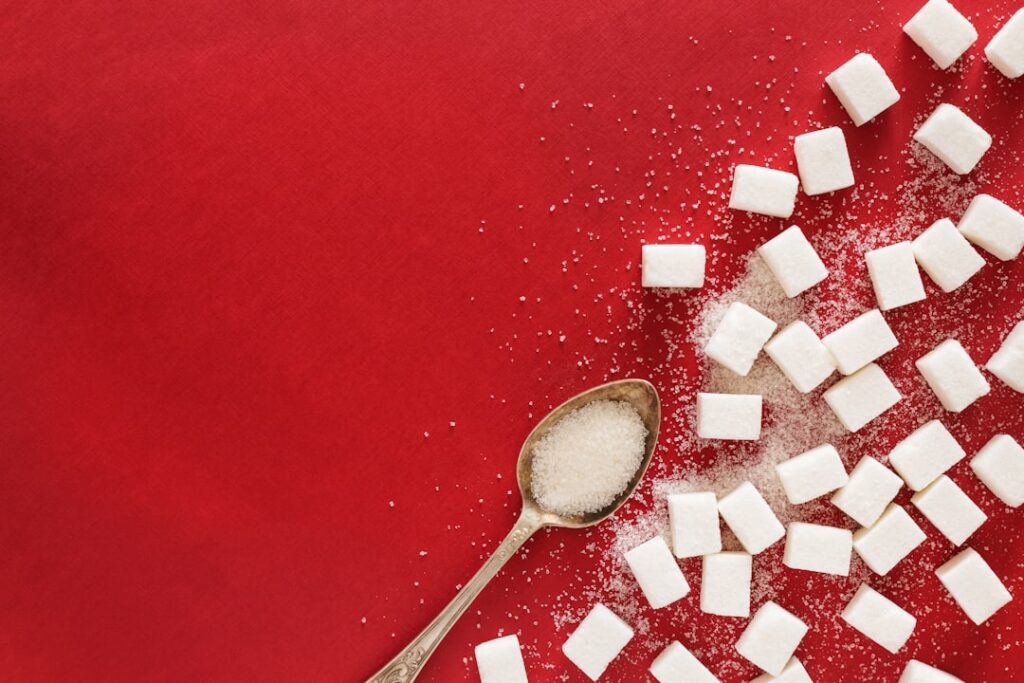
The term “hidden sugar” doesn’t mean manufacturers are breaking any laws. In most cases, the sugar is right there on the nutrition label — it’s just buried under one of 60-plus alternative names, or spread across multiple ingredients so no single one tops the list. A 2012 analysis published in the journal Obesity Reviews identified 56 different names for added sugar commonly appearing on U.S. food labels, ranging from the obvious (cane syrup, brown sugar) to the barely recognizable (dextrose, maltodextrin, evaporated cane juice, barley malt).
Our recommended hidden sugar packaged foods pick
Affiliate link — we may earn a commission at no extra cost to you
Hidden sugar packaged foods typically fall into a few surprising categories. “Health foods” are the biggest offenders. Granola bars, low-fat salad dressings, fruit-flavored yogurts, protein bars, and whole-grain cereals routinely contain 12–28 grams of added sugar per serving — that’s 3 to 7 teaspoons. A standard flavored yogurt cup from a major brand, for example, can contain as much sugar as two Oreo cookies. Pasta sauces routinely deliver 8–12 grams of sugar per half-cup serving. Even savory items like bread, crackers, and canned soup sneak in 2–6 grams per serving to enhance palatability.
The reason this matters isn’t aesthetic. A 2014 study in JAMA Internal Medicine, tracking 31,147 U.S. adults over 15 years, found that those who consumed 17–21% of daily calories from added sugar had a 38% higher risk of cardiovascular disease mortality compared to those consuming under 8%. The sugar itself isn’t inherently toxic — the problem is how invisibly it accumulates when you’re eating packaged food at modern portion frequencies.
Why Your Brain Doesn’t Register It
One reason hidden sugars do so much damage is neurological. When sugar is consumed in liquid form — fruit juice, flavored water, sweetened coffee drinks — satiety hormones like GLP-1 and peptide YY respond much less robustly than they do to solid food containing the same calories. A 2013 trial of 210 adults at Harvard School of Public Health found that sugar-sweetened beverage consumption was independently associated with weight gain even after controlling for total calorie intake, partly because those liquid calories simply don’t register as “food” in the brain’s hunger-signaling system.
The same blunted response occurs when sugar is distributed across many small amounts in a processed meal. Your 3pm cracker binge — say, a sleeve of whole-grain crackers — might deliver 18 grams of sugar from ingredients like rice syrup, dextrose, and invert sugar, none of which appear prominently on the label. Your appetite isn’t satisfied, your blood glucose spikes and crashes, and you’re back in the kitchen 90 minutes later. This cycle is well-documented. Understanding it is the first step toward breaking it.
There’s also the issue of food reward — the degree to which a food activates dopamine pathways. Highly processed foods are engineered to hit a “bliss point,” a combination of sugar, fat, and salt that maximizes palatability. This isn’t a conspiracy theory; it’s documented in internal industry research and discussed openly by food scientists like Howard Moskowitz, who coined the term in the context of commercial product development.
The 60+ Names for Sugar You Need to Know

Reading labels is your first line of defense, but only if you know what you’re reading. Ingredient lists are sorted by weight — the first ingredient is the most abundant — so manufacturers sometimes use four or five different sugar sources to keep each one lower on the list, even though their combined contribution is substantial. Here are the most common aliases to watch for:
- Syrups: High-fructose corn syrup, brown rice syrup, malt syrup, corn syrup, rice bran syrup, maple syrup, agave nectar
- “-ose” sugars: Sucrose, fructose, dextrose, maltose, lactose, galactose
- “Natural” sounding names: Evaporated cane juice, cane crystals, raw sugar, coconut sugar, date sugar, fruit juice concentrate
- Less obvious: Maltodextrin, dextrin, caramel, carob syrup, ethyl maltol, barley malt, molasses
The FDA updated nutrition label requirements in 2020 to mandate a separate “Added Sugars” line, which helps enormously. But compliance is still rolling out, and older products remain on shelves. Learning to scan the ingredient list — not just the nutrition facts — remains essential.
Health Risks Backed by Research
The downstream effects of regularly consuming excess added sugar are well-established in the literature. Here’s what the evidence actually shows, without overstating it:
- Insulin resistance: Chronic high sugar intake, particularly from fructose, promotes hepatic fat accumulation and reduces insulin sensitivity. A controlled feeding trial published in PLOS ONE in 2015 showed that replacing added fructose with starch for just 9 days significantly improved insulin sensitivity in obese children — without any change in total calories.
- Weight gain: A systematic review of 68 randomized controlled trials and cohort studies, published in the BMJ in 2013, concluded that higher sugar intake was consistently associated with increased body weight, while lower sugar intake was associated with modest weight loss.
- Non-alcoholic fatty liver disease (NAFLD): Excess fructose is metabolized almost exclusively in the liver, where it promotes lipogenesis. NAFLD prevalence has tracked closely with added sugar consumption trends over the past four decades.
- Dental erosion: Even “natural” sugars in packaged foods feed oral bacteria that produce acid, eroding enamel. This is worth noting because it often appears in people who never eat obvious sweets.
- Mood and energy dysregulation: Blood glucose spikes followed by rapid drops contribute to irritability, difficulty concentrating, and afternoon energy crashes — patterns commonly reported by people who eat heavily processed diets.
For a broader look at how these metabolic factors intersect with weight management, our article on inflammation and weight gain explains the inflammatory dimension of processed food consumption in detail.
The Worst Offenders by Food Category

Not all packaged foods are equal. Some categories are dramatically worse than others, and knowing which ones to scrutinize can save you significant effort.
- Flavored yogurts: Average 17–28g of added sugar per 5.3 oz container. Plain Greek yogurt contains 0g added sugar — the difference is stark.
- Breakfast cereals: A 2021 Environmental Working Group analysis of 1,000+ cereals found that over half exceeded the recommended daily limit for children in a single serving. Some “whole grain” cereals contain more sugar than Lucky Charms.
- Granola and protein bars: Typically 12–22g per bar, often from 3-5 different sugar sources listed separately.
- Bottled smoothies and juices: A 15.2 oz bottle of a popular green juice brand contains 53g of sugar — more than a can of Coke.
- Pasta sauces and ketchup: A standard 1/2-cup serving of marinara can have 9–12g; two tablespoons of ketchup average 8g.
- Bread: Commercial sandwich bread typically has 2–5g per slice; two slices of toast at breakfast adds 4–10g before you’ve put anything on it.
- “Low-fat” products: When fat is removed, flavor often disappears with it — manufacturers compensate with sugar. Low-fat peanut butter, low-fat salad dressing, and reduced-fat cookies are classic examples.
Packaged Food Sugar vs. Whole Food Sugar
It’s worth distinguishing between intrinsic sugar (naturally occurring in whole fruits, dairy, and vegetables) and the added sugars found in processed products. A medium apple contains about 19g of sugar, but it also delivers 4.4g of fiber, polyphenols, and water — all of which slow glucose absorption and feed beneficial gut bacteria. A granola bar with 18g of added sugar delivers none of that buffer. Your liver and pancreas process these situations very differently. The fiber connection is so significant that we’ve dedicated a full article to it: see our breakdown of natural vs. supplement fiber for weight loss.
Whole food sources also tend to be self-limiting — you stop eating an apple because it’s filling. Packaged foods engineered around sugar are specifically designed not to trigger satiety signals at normal portions.
Pros and Cons of Cutting Hidden Sugars From Your Diet
| ✅ Pros | ❌ Cons |
|---|---|
| Reduces blood glucose spikes and energy crashes | Requires significant label-reading effort at first |
| May support weight management over time | Low-sugar packaged alternatives often cost more |
| Improved cardiovascular risk markers (per JAMA Internal Medicine data) | Initial withdrawal-like symptoms: cravings, irritability, fatigue for 3–7 days |
| Better dental health outcomes | Social friction — most convenience and social foods contain added sugar |
| Reduced risk of non-alcoholic fatty liver disease progression | Natural sugar replacements (honey, coconut sugar, dates) still spike blood glucose and must be consumed in moderation |
| Improved gut microbiome diversity over time | “Sugar-free” labels don’t guarantee low calorie or metabolically neutral — artificial sweeteners carry their own debate |
How to Actually Reduce Your Intake
Awareness is useful, but it needs to translate into a practical system. Here’s what works — based on behavioral research, not willpower mythology:
Free download
Get the free 7-Day Reset
Five small daily habits, one printable checklist. No spam, unsubscribe any time.
- Use the 5-ingredient scan: If a packaged food lists more than one sugar source in its first five ingredients, put it back. This single heuristic eliminates roughly 80% of the worst offenders without requiring you to memorize every sugar alias.
- Default to plain versions: Buy plain Greek yogurt, plain oats, plain nut butter, and unsweetened plant milks. Add your own fruit or a teaspoon of honey if needed. You’ll use dramatically less sugar than the manufacturer would have added.
- Front-load breakfast with protein: A 2020 randomized trial of 150 adults found that high-protein breakfasts reduced sugar cravings and afternoon snacking compared to high-carbohydrate breakfasts. Eggs, cottage cheese, and Greek yogurt are practical options.
- Rethink drinks: Beverages are often the single largest source of hidden sugar packaged foods contribute to daily intake. Switching from flavored coffees, juices, and sports drinks to water, black coffee, or unsweetened tea can eliminate 40–80g of added sugar per day for many people.
- Meal prep strategically: Making sauces, dressings, and snacks at home removes the hidden-sugar variable entirely. This takes time investment upfront but pays dividends across the week. Our meal prep for weight loss guide offers a practical system for doing exactly this.
- Don’t shop hungry: This one sounds obvious, but a 2015 study published in JAMA Internal Medicine found that grocery shopping while fasted significantly increased the proportion of high-calorie, sweet foods purchased. Eat something with protein before you walk into a store.

What About Sugar Reduction Supplements?
There’s a growing market for supplements claiming to blunt glucose spikes, reduce sugar cravings, or slow carbohydrate absorption. The most studied candidates include berberine, chromium picolinate, alpha-lipoic acid, and white kidney bean extract. The evidence is mixed but not entirely absent.
Berberine, for example, has shown meaningful effects on fasting blood glucose and HbA1c in several small trials — a 2019 meta-analysis of 27 randomized controlled trials found it comparable to metformin in some glycemic parameters in type 2 diabetes patients. However, most trials used clinical doses (900–1500mg/day) in diagnosed diabetic populations, not healthy adults eating too many crackers. Chromium picolinate has some support for reducing cravings in a subset of people with atypical depression and carbohydrate cravings specifically, per a Cornell University trial. White kidney bean extract (Phaseolus vulgaris) inhibits alpha-amylase and may reduce starch digestion — but results in free-living populations are inconsistent.
The honest assessment: no supplement fixes a diet pattern. If you’re consuming 60–80g of added sugar per day from hidden sugar in packaged foods, a berberine capsule won’t meaningfully offset that. Supplements may offer marginal support during a dietary transition, but they don’t replace the label-reading and food-swapping work described above. Check resources like the NIH Office of Dietary Supplements chromium fact sheet for a balanced view of what the research actually supports.
The Bigger Picture: Sugar, Sleep, and Emotional Eating
Sugar consumption doesn’t exist in a vacuum. Two patterns compound it significantly. First, sleep deprivation: a 2013 study from Uppsala University found that one night of sleep restriction increased neural activity in response to food images, particularly high-calorie sweet foods, and raised ghrelin levels — the hunger-stimulating hormone. Poor sleep and sugar cravings create a self-reinforcing cycle that’s worth addressing directly. Our piece on natural sleep and weight loss covers evidence-based strategies for breaking that loop.
Second, emotional eating. Stress-driven eating disproportionately targets sweet, high-fat processed foods because they activate the brain’s reward circuits and temporarily reduce cortisol response. A 2019 review in Obesity Reviews confirmed that stress is one of the strongest predictors of added sugar overconsumption in adults. Addressing the behavioral drivers — not just the food choices — is often what separates short-term label-reading from lasting dietary change.
For more on the relationship between eating behaviors and weight management, the American Heart Association’s added sugar guidance provides an accessible summary of current recommendations, while a deeper scientific treatment is available through this 2013 systematic review on dietary sugar and body weight in the BMJ.
Final Verdict
The science on hidden sugar in packaged foods is not alarmist — it’s genuinely concerning. Sixty-plus aliases, strategic ingredient splitting, and the blunted satiety response to liquid and processed calories combine to make it easy to consume 2–3 times the recommended daily sugar limit without ever touching a dessert. The research consistently links high added sugar intake to weight gain, insulin resistance, cardiovascular risk, and NAFLD.
The good news: you don’t need to overhaul your entire diet at once. Start with beverages, then tackle flavored dairy and “health” bars — those two categories alone account for the majority of hidden sugar exposure in most people’s diets. Learn five or six sugar aliases. Buy plain versions of staple foods. These are small changes with compounding effects over time.
Supplements can play a supporting role for some people, but they’re not the foundation of a solution. The foundation is understanding what’s actually in the food you’re buying — and that starts with reading the label like you mean it.
Frequently Asked Questions
How much added sugar per day is actually safe?
The American Heart Association recommends no more than 25g (6 teaspoons) of added sugar per day for women and 36g (9 teaspoons) for men. The average American currently consumes around 77g per day. These targets aren’t about perfection — they’re a useful benchmark for evaluating whether your packaged food habits are putting you well over the line.
Is fruit sugar the same as the sugar in packaged foods?
Chemically, fructose is fructose — but context matters enormously. Sugar in whole fruit comes packaged with fiber, water, and micronutrients that slow absorption and provide satiety. Added sugar in processed foods arrives stripped of those buffers. The metabolic impact of eating a whole apple versus drinking apple juice with the equivalent sugar is measurably different, even at the same gram count.
Do “no added sugar” labels mean a product is low in sugar?
No. “No added sugar” means no sugar was added during processing, but the product may still be high in natural sugars — dried fruit, fruit juice concentrate, and some dairy products are good examples. It’s also worth knowing that “unsweetened” and “no added sugar” are not the same claim. Always check the total sugar grams on the nutrition facts panel alongside the ingredient list.
Can cutting sugar from packaged foods help with weight loss?
Reducing added sugar typically lowers overall calorie intake, reduces blood glucose volatility, and may improve satiety signaling over time — all of which support weight management. However, results vary significantly based on total diet quality, activity level, sleep, and individual metabolic factors. There’s no single intervention that produces guaranteed outcomes for everyone.
Individual results vary. The information in this article is for educational purposes only and is not a substitute for professional medical advice. Please consult a qualified healthcare provider before making significant dietary changes or starting any supplement regimen.



Free download
Get the free 7-Day Reset
Five small daily habits, one printable checklist. No spam, unsubscribe any time.