Does Drinking Water Before Meals Actually Help You Lose Weight?
 Nahid Reza
· September 30, 2026
Nahid Reza
· September 30, 2026Last updated: September 30, 2026
Does drinking water before meals help you lose weight? Drinking a glass of water before eating is one of the few weight-loss tips that costs nothing, has no side effects, and is actually backed by a real randomized controlled trial rather than just conventional wisdom. The effect is real, but it's also more modest and more dependent on consistency than most versions of this advice let on. Here's what the trial that's usually cited for this actually found.
The Study Behind the "Drink Water Before Meals" Advice
A randomized controlled trial conducted in UK primary care recruited 84 obese adults and split them into an intervention group (told to drink 500ml, about 17 ounces, of plain tap water roughly 30 minutes before their main meals) and a control group (given standard weight-loss advice without the water instruction). Sparkling water, soda, and other sweetened drinks were specifically excluded from the intervention, this was tested as plain water only. Over 12 weeks, the water-preloading group lost an average of 1.3kg more than the control group.
The more interesting number is what happened when the researchers looked at how consistently people actually followed the water instruction. Participants who reported drinking water before all three main meals lost an average of 4.3kg over the 12 weeks, compared to just 0.8kg among those who only partially followed the instruction or skipped it most of the time. That's a meaningful difference, and it points to something worth taking seriously: the benefit of this habit scales heavily with actual consistency, not with simply knowing about it.
Why Drinking Water Before Meals Would Plausibly Work
The proposed mechanism is straightforward and doesn't require any special metabolic effect: a stomach partially filled with water takes up physical space and triggers stretch receptors that contribute to a feeling of fullness, which can reduce how much food gets eaten in the meal that follows. This is sometimes called "water preloading," and it's mechanistically simple compared to most supplement-based weight-loss claims, there's no proposed hormonal or metabolic pathway being claimed, just simple volume and satiety signaling. That simplicity is actually a point in its favor: it doesn't require the body to respond to a novel compound, just to a well-understood physical sensation of fullness.
How Big an Effect Should You Realistically Expect
Being honest about the numbers: 1.3kg over 12 weeks, averaged across everyone in the intervention group regardless of how well they stuck to it, is a modest effect, similar in size to what several supplement ingredients show in their own trials. The more compelling number, 4.3kg among people who were fully consistent, is a subgroup finding from a single 84-person trial, which means it's promising but not something to treat as guaranteed. The researchers themselves described these as "encouraging initial results" and noted they were seeking funding for larger, longer trials to confirm the finding, which is an honest signal that this hasn't yet been replicated at a larger scale.
What makes this habit worth adopting regardless of the exact number is the complete absence of downside: unlike a supplement, there's no cost, no interaction risk, and no marketing exaggeration to untangle, just a glass of water before you eat.
Practical Takeaways
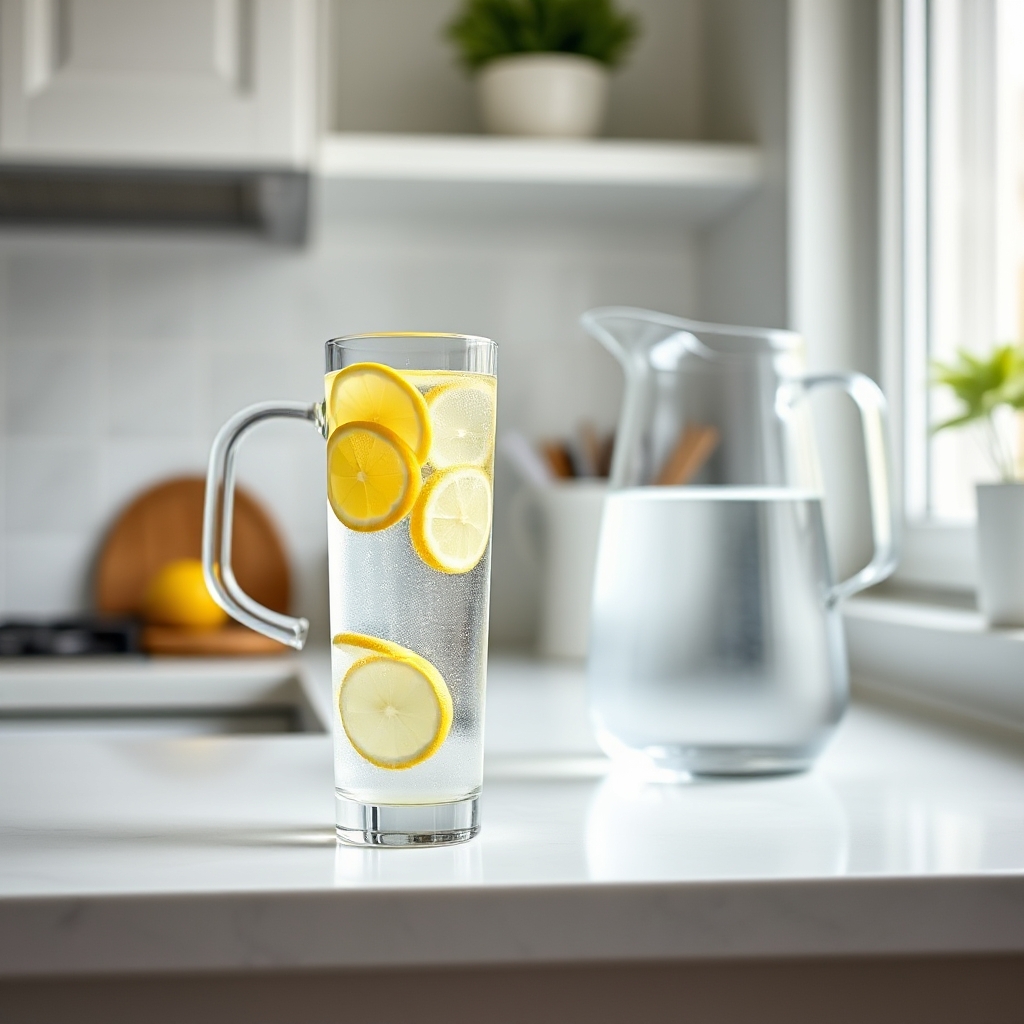
If you want to try drinking water before meals, the specific protocol that was tested is worth following exactly rather than approximating: about 500ml (roughly a large glass) of plain water, about 30 minutes before each main meal, done consistently rather than occasionally. The consistency finding matters more than the average effect size, an inconsistent habit produced close to zero benefit in this trial, while a consistent one produced a meaningfully larger result. This is also a reasonable complementary habit alongside other evidence-based approaches, since the mechanism (stomach fullness before eating) doesn't overlap with or interfere with things like fiber intake, exercise, or metabolism-focused supplements.
Looking for a supplement-based approach to pair with this habit? See our LeanBiome review for a closer look at one popular option.
Free download
Get the free 7-Day Reset
Five small daily habits, one printable checklist. No spam, unsubscribe any time.
FAQ
How much water should I drink before meals to help with weight loss? The randomized trial that tested this used 500ml (about 17 ounces) of plain water, roughly 30 minutes before each main meal.
Does sparkling water or flavored water work the same way? The study specifically used and recommended plain tap water; sparkling water, soda, and sweetened drinks were excluded from the tested protocol, so it's not clear the same effect applies to those.
How much weight can I realistically expect to lose just from drinking water before meals? In the 12-week trial, the average was 1.3kg more than the control group, but people who followed the habit consistently before every meal lost significantly more, an average of 4.3kg, compared to just 0.8kg among those who were inconsistent.
Is this a substitute for diet and exercise? No. This was tested as an addition to standard weight-loss advice, not a replacement for it. Think of it as a low-effort habit that can modestly support a broader approach, not a stand-alone solution.
This article is for general informational purposes and is not a substitute for personalized medical advice. If you have kidney disease, heart failure, or another condition affecting fluid balance, talk to your doctor before significantly increasing your water intake.

Free download
Get the free 7-Day Reset
Five small daily habits, one printable checklist. No spam, unsubscribe any time.