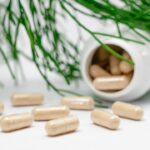
Detox Supplements for Bloating: Facts vs Myths
 Nahid Reza
· July 4, 2026
Nahid Reza
· July 4, 2026Understanding the facts and myths surrounding detox supplements for bloating matters more than ever in 2026, as the wellness market continues to expand at a dizzying pace. Millions of people deal with uncomfortable bloating every day, yet supplement shelves are lined with bold claims that routinely outpace the science behind them. Before spending money on a trendy cleanse or a 7-day detox kit, it pays to know what research actually supports — and what is pure marketing fiction. This guide breaks it all down clearly and honestly.
⭐ #1 Recommended best detox supplements for bloating facts vs myths Supplement
Affiliate link — we may earn a commission at no extra cost to you
What Are Detox Supplements for Bloating?

Detox supplements for bloating are products formulated to support digestive comfort, reduce gas, and ease feelings of fullness or abdominal pressure. They typically contain a blend of herbs, fibers, enzymes, or probiotics, and they are marketed under names like “cleanse,” “flush,” “digestive support,” or “gut reset.” The category ranges from single-ingredient capsules — such as activated charcoal or ginger extract — to complex multi-ingredient blends promising full-body purification.
The word “detox” is where things get complicated. Your liver and kidneys already perform sophisticated detoxification around the clock. No pill replaces or meaningfully accelerates those organs. What well-formulated supplements can do is support the gut environment — reducing gas-producing bacteria, improving motility, or calming inflammation — which may contribute to less bloating. The key is distinguishing between products with plausible biological mechanisms and those that rely entirely on buzzwords.
Common ingredient categories include: probiotics (live bacteria that influence gut flora), digestive enzymes (proteins that break down food more efficiently), prebiotics (fibers that feed beneficial bacteria), herbal extracts (peppermint, ginger, fennel), and fiber supplements (psyllium husk, inulin). Each category has a different evidence base, and understanding those differences is the foundation of any smart purchase decision.
Separating Real Benefits from Overhyped Claims
Here is what the evidence genuinely supports when it comes to relieving bloating naturally.
- Probiotics: Multiple randomized controlled trials suggest that certain strains — particularly Lactobacillus acidophilus and Bifidobacterium longum — can reduce bloating and abdominal discomfort, especially in people with irritable bowel syndrome (IBS). A review published on PubMed found meaningful symptom improvements in IBS patients using multi-strain probiotics.
- Digestive Enzymes: Enzymes like lactase, alpha-galactosidase, and bromelain help the body break down difficult-to-digest compounds, reducing gas production. These are among the more evidence-backed options for people with specific food intolerances.
- Peppermint Oil: Enteric-coated peppermint oil capsules have demonstrated effectiveness for reducing bloating and abdominal pain in IBS. The antispasmodic effect on intestinal smooth muscle is well-documented in the literature.
- Ginger Extract: Ginger has anti-inflammatory and prokinetic properties — meaning it may help food move through the digestive tract more efficiently, leaving less opportunity for gas to build up.
- Psyllium Husk: This soluble fiber can regulate bowel movements and nourish beneficial gut bacteria. The NIH Office of Dietary Supplements recognizes dietary fiber’s important role in digestive health.
- Activated Charcoal: Frequently hyped, but the evidence for bloating relief is weak. It may bind some gut gas, but it also binds medications and nutrients, making it a risky choice for regular use.
How Do These Supplements Actually Work?

The mechanisms behind effective bloating relief are grounded in gut physiology. Bloating typically results from excess gas production, impaired motility, visceral hypersensitivity, or imbalances in the gut microbiome. Each supplement category targets one or more of these pathways.
Probiotics introduce beneficial microbial strains that compete with gas-producing bacteria, potentially shifting the overall fermentation profile in the colon. Over time, a more balanced microbiome may produce less hydrogen and methane — the primary gases responsible for abdominal distension.
Digestive enzymes act upstream, breaking down carbohydrates, proteins, and fats before they reach the colon. Undigested food particles are the raw material that gut bacteria ferment into gas, so more thorough digestion early in the process means less fermentation further along.
Herbal extracts like peppermint and fennel act on smooth muscle and motility. By relaxing intestinal spasms and encouraging faster transit, they reduce the window in which gas can accumulate. For a deeper look at how gut health connects to overall wellness, including weight management, see our Top Rated Gut Health Supplements Weight Loss – 2026 Guide.
Fiber supplements like psyllium act as prebiotics, nourishing beneficial bacteria while adding bulk that normalizes stool consistency — easing both constipation-related bloating and diarrhea-related urgency.
Top Picks: Supplement Ingredients Worth Considering
Rather than recommending specific brand names without clinical backing, we focus on ingredient profiles with genuine scientific support. When shopping, look for products featuring these validated components:
- Multi-strain probiotics (10–50 billion CFU): Seek formulas with documented strains like L. acidophilus NCFM or B. lactis Bi-07.
- Digestive enzyme complexes: Look for amylase, protease, lipase, and lactase for broad-spectrum digestive support.
- Enteric-coated peppermint oil (187–225 mg): The enteric coating ensures the oil reaches the intestines rather than releasing in the stomach, where it could trigger heartburn.
- Organic ginger root extract (standardized to 5% gingerols): Standardized extracts deliver consistent, predictable potency.
- Psyllium husk (5–10 g per serving): A well-studied fiber with both prebiotic and motility-supporting properties.
- Fennel seed extract: Traditional use is backed by small but positive clinical trials for gas and bloating relief.
Products that list the dose of each ingredient individually — rather than concealing amounts inside a “proprietary blend” — are generally more trustworthy. Third-party testing certifications from organizations like NSF, USP, or Informed Sport further validate quality and label accuracy.
Free download
Get the free 7-Day Reset
Five small daily habits, one printable checklist. No spam, unsubscribe any time.
Detox Supplements vs. Dietary and Lifestyle Changes
No supplement, however well-formulated, operates in a vacuum. A diet high in fermentable carbohydrates (FODMAPs) — onions, garlic, beans, wheat — will continue to drive bloating regardless of what you take. Eating too quickly, chewing insufficiently, or consuming oversized meals overwhelms digestive capacity in ways that enzymes and herbs can only partially compensate for.
Hydration, regular physical activity, and stress management all profoundly influence gut motility and the gut-brain axis. Chronic stress directly affects intestinal permeability and microbiome composition. A supplement can be a useful adjunct, but it rarely substitutes for addressing these root causes. Sleep quality also plays a meaningful role — disrupted sleep alters the microbiome and promotes gut inflammation. If you’re curious about natural ways to improve rest, our article on the Best Natural Sleep Aids Without Melatonin Complete Overview – Top Picks 2026 offers science-backed insights.
Honest Pros and Cons of Detox Supplements for Bloating

Approaching this category with realistic expectations is essential. Here is a balanced assessment:
| Pros | Cons |
|---|---|
| Certain probiotics and enzymes have credible clinical evidence for reducing bloating | Many “detox” products use the word as a marketing term with no physiological basis |
| Peppermint oil and ginger have documented mechanisms for easing digestive discomfort | Results vary significantly between individuals depending on gut microbiome composition and diet |
| Fiber supplements support long-term microbiome diversity, not just short-term symptom relief | Some ingredients (activated charcoal, senna) can interfere with medication absorption or cause dependency |
| Convenient format for people who struggle to obtain probiotics or fiber through food alone | Ongoing costs can be significant, especially for premium multi-ingredient formulas |
| More third-party tested formulations are available in 2026, improving quality assurance across the category | Supplements are not regulated as rigorously as pharmaceuticals; label accuracy still varies by brand |
How to Choose a Quality Option Without Getting Fooled
Navigating the supplement market requires a practical checklist. Here is what to look for — and what to avoid — when evaluating real-world products:
- Transparent labeling: Every active ingredient should list its dose individually. Proprietary blends that obscure amounts make it impossible to evaluate efficacy or safety.
- Third-party certification: Look for NSF Certified for Sport, USP Verified, or Informed Sport logos. These verify that what is on the label is actually in the bottle at stated potencies.
- Evidence-based ingredients: Cross-reference key ingredients against resources like Healthline’s guide to reducing bloating or PubMed-indexed studies before purchasing.
- Avoid laxative-heavy formulas: Products dominated by senna, cascara sagrada, or high-dose magnesium oxide are essentially laxatives rebranded as detox supplements. Long-term use can impair natural bowel function.
- Realistic claims: Be skeptical of any product promising dramatic outcomes — a complete gut reset in 7 days, for instance. Genuine change in the gut microbiome takes weeks to months of consistent effort.
- Consult with a healthcare provider: Chronic or severe bloating may signal an underlying condition like SIBO (small intestinal bacterial overgrowth), celiac disease, or IBS, all of which require diagnosis before supplementation is appropriate.
It is also worth noting that ingredient combinations matter. Some people find that pairing a probiotic with a digestive enzyme works better than either alone. Others respond well to fiber supplementation by itself. There is no universal protocol, which is why personalized guidance from a registered dietitian or gastroenterologist is genuinely valuable — not just a standard disclaimer.
For those curious about related wellness topics, our review of Java Burn Coffee for Weight Loss – Does It Really Work? explores how metabolism-supporting supplements interact with digestive health from a balanced perspective.
Final Verdict on the Best Detox Supplements for Bloating

After cutting through the noise, the honest conclusion is a nuanced one: some ingredients genuinely work, while others are expensive placebos. The market is not uniformly bad — it is simply uneven. Probiotics with clinically validated strains, digestive enzyme complexes, enteric-coated peppermint oil, ginger extract, and psyllium fiber all have meaningful scientific backing for reducing digestive discomfort. These ingredients deserve serious consideration.
What does not hold up to scrutiny is the broader “detox” narrative — the idea that a supplement can purge toxins, reset your liver, or deliver a cleaner internal environment than your body already maintains. Your organs handle detoxification remarkably well on their own. Products claiming to dramatically enhance this process are, in most cases, capitalizing on a powerful word rather than a proven mechanism.
The smartest approach is to prioritize ingredients over brand names, demand transparent labeling, seek third-party verification, and pair any supplementation with genuine dietary and lifestyle improvements. Bloating is a symptom, not a disease, and addressing it sustainably means understanding its root causes — not just reaching for a quick fix.
If you are ready to explore a formulation built around these principles, the option below is worth examining with the criteria above in mind.
Individual results vary significantly based on diet, lifestyle, gut microbiome composition, and underlying health conditions. This article is for informational purposes only and does not constitute medical advice. Always consult a qualified healthcare provider before starting any new supplement, particularly if you have a diagnosed digestive condition or take prescription medications.




Free download
Get the free 7-Day Reset
Five small daily habits, one printable checklist. No spam, unsubscribe any time.